
Best overall
The best at-home RF devices, judged on the temperature they publish
Home RF devices ranked on published target temperature, treatment protocol and the strength of their regulatory record.
Top pick: TriPollar STOP VX2
RF & Skin Tightening
Radiofrequency is the only modality here where the governing variable is a temperature, and where one device holds a stronger regulatory authorization than a 510(k).

Radiofrequency heats the dermis. That is the mechanism in one sentence, and unlike LED or microcurrent, there is no serious dispute about whether the energy reaches the tissue. The dispute is about whether a home device can hold the tissue at the right temperature for long enough to matter, and about whether you will keep doing it.
The governing variable
Collagen responds to sustained heat in a fairly narrow band. Too cool and nothing happens; too hot and you are burning tissue. TriPollar publishes a target: the STOP VX2 works up to 41.6 degrees Celsius with a thermal-mapping sensor adjusting the output in real time. That number is the most useful specification on any RF product page, and it is the reason the STOP line is taken seriously.
CurrentBody does not publish a target temperature for its RF device. NEWA publishes a defined treatment schedule rather than a temperature. If a device will not tell you what temperature it is aiming for, the only feedback you have is how hot it feels, and skin is a poor thermometer.
Regulation
RF skin devices sit under product code PAY. Unlike the LED category, almost everything here has a record you can read.
NEWA holds a De Novo authorization, DEN150005, granted 18 December 2015. That is a stronger regulatory signal than a 510(k): De Novo means the FDA created a classification for the device rather than matching it to an existing one, which requires a full safety and effectiveness review rather than a substantial-equivalence argument. Almost nothing in home beauty tech has one.
TriPollar's STOP U line holds K220322 (May 2023) and K203665 (February 2021) under Pollogen Ltd., a company that also builds professional clinic systems. CurrentBody Skin RF holds K232424 (March 2024). All three are real, current and findable.
Be honest with yourself
A full-face TriPollar session is four minutes per area, which works out at fifteen to twenty minutes. That is two to five times longer than an LED mask session and you have to actively move the device the whole time rather than lying still. Add the gel, add the cleanup, and you are looking at a genuine half-hour commitment several times a week.
This is not a reason to avoid RF. It is a reason to be realistic before you spend: the device that gets used three times a week at a lower specification beats the one that stays in the drawer. If a half-hour routine is not going to survive contact with your actual evenings, a ten-minute LED mask is the better purchase even though the mechanism is less certain.
Choosing a modality
These three do different things and the marketing deliberately blurs it. RF heats the dermis to provoke a collagen response. Microcurrent stimulates facial muscle for a lift that is immediate and temporary. LED drives a photochemical response in the cells with no thermal or mechanical component at all. They are not competitors so much as different answers to different complaints. We set them side by side here.
If your complaint is laxity along the jaw, RF is the modality with the clearest mechanism. If it is tone and a tired look, microcurrent gets there faster. If it is texture and redness, LED. Start with the roundup, or read whether at-home RF works at all before you commit.
Decide
Ranked picks with the spec table first, so the answer is on the first screen.
Best overall
Home RF devices ranked on published target temperature, treatment protocol and the strength of their regulatory record.
Top pick: TriPollar STOP VX2
Best for face and neck
Why handheld RF covers the neck at no extra cost, which devices suit it, and what the full-face-and-neck time cost adds up to.
Top pick: TriPollar STOP VX2
Compare
Two devices, the specification that separates them, and a verdict.
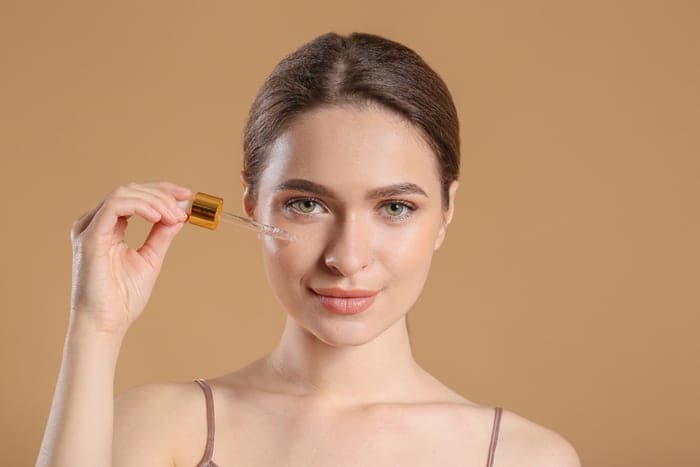
What thermal mapping adds to the STOP line, and whether the older generation is the better buy when discounted.
Top pick: TriPollar STOP VX2

Published thermal control against De Novo authorization DEN150005 - two different kinds of evidence, compared honestly.
Top pick: TriPollar STOP VX2
Specialist depth against ecozystem simplicity, with both devices holding genuine clearances under the RF product code.
Top pick: TriPollar STOP VX2
In depth
One device at a time: who it suits, and who should skip it.
A published 41.6 C target with real-time thermal mapping and muscle activation, against a fifteen-to-twenty-minute full-face routine.
Top pick: TriPollar STOP VX2
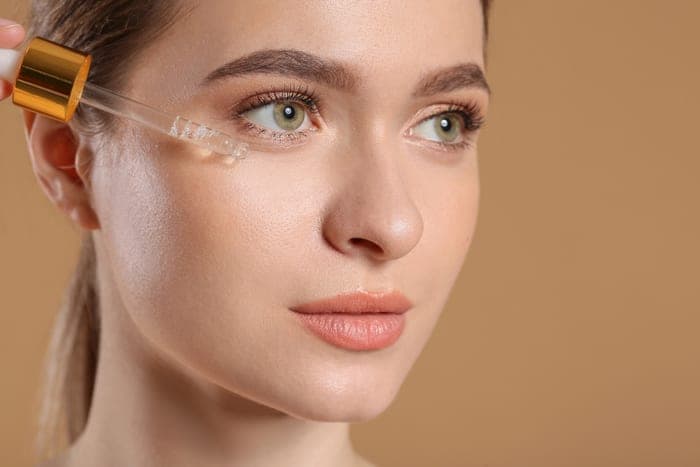
De Novo DEN150005, a published treatment schedule, multi-source RF - and no published target temperature.
Top pick: NEWA Skin Care Device
Understand
The spec vocabulary, the regulations and the safety limits, explained once properly.
An honest assessment: a well-established clinic mechanism, and an open question about whether home devices sustain it.
A modality decision guide: what each mechanism targets, what each demands, and how to match one to your complaint.
FAQ
Sources
Elsewhere on the site
Six brands dominate this category and four of them publish almost nothing you can check. Here is what each one actually emits, which clearance numbers exist, and which specification is missing from every single spec sheet.
One brand in this category publishes its actual microamp output. The rest ask you to take the word mode seriously. Here is what each device is cleared for, what it puts out, and where the gaps are.
Not sure which modality you need? Read how we evaluate devices.