Guide
Do at-home microneedling pens actually work?
At the depth a home device should be used, the answer is a qualified yes for texture and product penetration, and a firm no for scarring and deep lines. The depth that would address those is not a home procedure.
By Selena H. · Published October 17, 2026
Illustrative photograph, not a picture of a specific device.
Quick picks
The short answer
| # | Product | Best for | FDA clearance | Price |
|---|---|---|---|---|
| 1 | 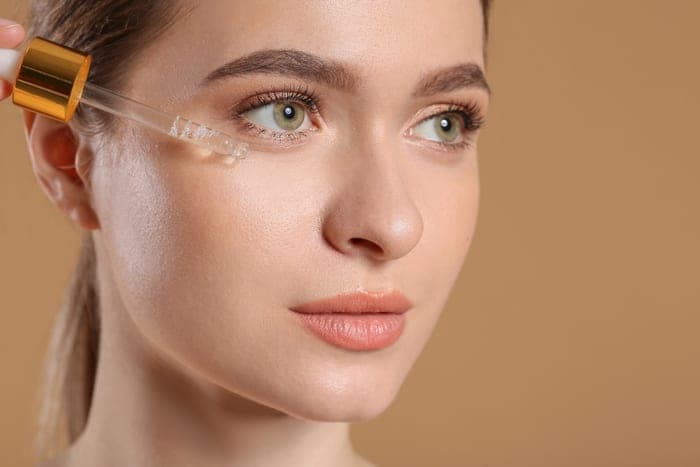 BeautyBio GloPRO Microneedling Regeneration Tool Safest design | home use, by someone who wants the decision made for them | Not located | |
| 2 | Dr. Pen Ultima A6 Most adjustable, most responsibility | experienced users who will stay shallow anyway | Not located |
Prices are checked live and stamped with the date they were read. No live price is held for these listings right now, so every button reads “Check price on Amazon” rather than showing a number we cannot stand behind. Last price check: October 13, 2026.
At 0.3 mm - the depth home devices are built for - microneedling can improve surface texture and help products absorb, and it will not treat acne scarring, deep lines or significant pigment. Those outcomes come from clinic depths, performed by someone trained, with the infection controls that go with breaking skin properly. The home version is not a weaker clinic treatment; it is a different, shallower procedure, and the gap between them is a safety line rather than a price difference.
Mechanism
What the shallow depth actually does
Short needles create micro-channels in the uppermost skin. Two things follow: a mild wound-healing response at the surface, and a temporary increase in how much of what you apply afterwards gets through. The first is modest at this depth. The second is real, and it is also the reason the aftercare matters more than the device.
Open channels take in whatever you put on them. That is useful with a simple, sterile, appropriate serum and actively harmful with an acid, a retinoid, a vitamin C formulation or anything fragranced. The most common home microneedling injury is not from the needles - it is from what went on afterwards.
The limits
What it will not do
| Goal | Home at 0.3 mm | Clinic depths |
|---|---|---|
| Surface texture and smoothness | Reasonable expectation | Yes, more pronounced |
| Product absorption | Yes, temporarily | Yes |
| Fine lines | Marginal at best | Addressed over a course |
| Acne scarring | No | A recognized indication, over several sessions |
| Stretch marks, deep scars | No | Clinic territory only |
| Pigment | No, and it can worsen it on deeper skin tones | Needs professional assessment first |
In detail
Every pick, and why
Safest design
BeautyBio GloPRO Microneedling Regeneration Tool
BeautyBio · Best for home use, by someone who wants the decision made for them
A fixed 0.3 mm depth with red LED and vibration. The fixed depth is the point: it removes the single most dangerous variable in this category. No located 510(k), which is normal for a cosmetic-tier device.
A fixed-depth 0.3 mm microneedling roller with red LED, deliberately built at the depth that keeps it a cosmetic device.
Specifications
| Depth | 0.3 mm, fixed |
|---|---|
| Extras | Red LED and vibration |
| Head life | Manufacturer specifies replacement after a stated number of uses |
FDA clearance not located
No 510(k) record located. The fixed 0.3 mm depth is the design decision that keeps it within cosmetic-device territory.
What works
- Fixed shallow depth removes the single most dangerous variable
- Red LED and vibration in the same pass
- Clear head-replacement guidance
What does not
- 0.3 mm will not do what a clinic pen does, and should not be sold as if it will
- Replacement heads are expensive
- No located clearance
Specifications from FDA 510(k) database query; manufacturer listing, checked 13 October 2026.
Most adjustable, most responsibility
Dr. Pen Ultima A6
Dr. Pen · Best for experienced users who will stay shallow anyway
Adjustable depth, typically 0.25-2.5 mm, with disposable cartridges. No located clearance, and anything above 0.3 mm moves into territory the FDA treats as a medical device. Counterfeit cartridges are common and genuinely dangerous.
An adjustable-depth microneedling pen with disposable cartridges. Read the safety guide before you read the spec sheet.
Specifications
| Depth | Adjustable, typically 0.25-2.5 mm |
|---|---|
| Cartridges | Disposable, single use |
| Regulatory status | No located clearance |
FDA clearance not located
No 510(k) record located. At-home microneedling pens sold for cosmetic use are not cleared medical devices, and depth settings above 0.3 mm move the procedure into territory the FDA treats as a medical device.
What works
- Adjustable depth and variable speed
- Cartridges are cheap and widely available
- Cordless operation
What does not
- No located clearance, and depth above 0.3 mm is not a home procedure
- Infection risk is real and entirely on the user
- Counterfeit cartridges are common and dangerous
Specifications from FDA 510(k) database query; manufacturer listing, checked 13 October 2026.
Evidence
The evidence position, stated plainly
Microneedling as a clinical procedure has a reasonable literature behind it, at clinical depths and under clinical conditions. Home devices at a fraction of that depth are a different intervention, and there is far less published work on them - which is exactly the pattern across this whole site, from LED masks to microcurrent.
So the honest answer to whether home pens work is: for the modest goals they are built for, plausibly, and for the dramatic ones in the advertising, no. Buying at the right depth with the right expectation is a reasonable purchase. Buying a 2.5 mm pen because the number is bigger is how people end up with infections and pigment problems.
Doing it properly
If you do buy one
- Buy cartridges from the manufacturer. Counterfeits are widespread in this category and a dull or non-sterile needle is the whole risk.
- One cartridge, one use. There is no cleaning protocol at home that makes a used needle head safe again.
- Never over active acne, eczema, rosacea or broken skin. You will spread the problem.
- Nothing active afterwards. No acids, no retinoids, no vitamin C, no fragrance, for as long as the device's instructions specify.
- Space sessions generously and let the skin fully recover. More often is not better here either.
Alternatives
A better-evidenced alternative for most goals
If the goal is texture and tone rather than scarring, light therapy carries a better-developed evidence base and breaks no skin at all. If the goal is acne, blue light has a clearance that names the indication on at least one device, which no microneedling pen can claim. What LED masks do and do not support, and the acne shortlist.
That is not an argument against owning a pen. It is an argument for buying the tool that matches the complaint, which is the same argument this site makes about every device category it covers.
Expectations
What a realistic result looks like
Immediately after a shallow session the skin is pink and looks temporarily plumper, which is an inflammatory response rather than a result. That settles within a day or two. Anything you judge in the first 48 hours is the swelling talking.
The change worth looking for is a gradual smoothing of surface texture across several sessions spaced weeks apart, and it is modest. If after a full course nothing has changed, the honest conclusion is that 0.3 mm was not enough for your complaint - not that you should turn the dial up. That is the exact moment people injure themselves, and it is worth deciding now, before you own the device, that you will not do it.
The other half of a realistic expectation is frequency. These are not weekly devices; the skin needs time to recover between sessions, and the manufacturers' own guidance spaces them out for that reason. Where microneedling sits relative to every other device in a routine.
FAQ
Questions people actually ask
Do at-home microneedling pens actually work?
What needle depth is safe for home microneedling?
Are at-home microneedling pens FDA cleared?
What should you put on your skin after microneedling at home?
Sources
Where this page’s facts come from
Read next
Keep going
- At-home microneedling: why depth is the only specification that matters
Fixed 0.3 mm devices against adjustable clinic-depth pens, and the safety case for the limited one.
- At-home microneedling safety
Depth limits, infection risk, the contraindication list, and why counterfeit cartridges are the under-discussed hazard.
- Microneedling pen vs derma roller
Perpendicular entry against angled drag, plus depth control and hygiene - why pens won this argument in clinics.
- Device layering: the order to use everything in
The full sequence for prep tools, treatment devices and skincare, plus the combinations that need separate days.
- Do LED face masks actually work?
An honest assessment: a real mechanism, decent clinic evidence, and a home-device literature thinner than the marketing suggests.
- Dermaplaning at home vs in a salon
Blade, depth, hygiene and skill - what separates a home dermaplaning tool from a professional treatment, and when each is the right call.